AI
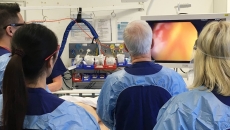
Screening rates in northern Queensland lag behind the statewide average.

The LLM-based tool, developed by researchers from Yonsei University College of Medicine, automatically generates legally required discharge notes in the emergency department.

The report shows that enterprise AI adoption has surged, with healthcare among the fastest‑growing sectors at 8x year‑over‑year adoption.

CLEAR's biometric ID verification will be added to Welldoc's cardiometabolic care app, a move the companies say supports federal efforts to build a more connected health ecosystem.

The goal is to make artificial intelligence available to the federal workforce and to integrate it across internal operations, research and public health.

Investors are funneling capital into early-stage automation and clinical support tools that use AI to counter workforce shortages, according to the report.

According to healthcare leaders, 2025 was a pivotal year for AI and digital health, marked by technological progress, a shifting focus on its role in healthcare and practical use cases driving its adoption.
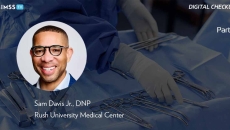
Sam Davis Jr. of Rush University Medical Center says adopting analytics enabled the system to align staffing, equipment and surgeon block time with real demand, delivering 12x ROI and improving patient outcomes.

According to Rom Eizenberg, Kontakt.io's chief revenue officer, hospitals in 2026 will deploy AI to track people, space and equipment and to optimize length of stay, which can help reverse losses and increase profitability.
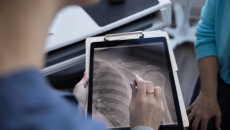
It shows potential for early, opportunistic screening for osteoporosis without a separate bone density test, according to Seoul National University Hospital researchers.