Analytics

Dr. Edmund Jackson, CEO of UnityAI, discusses the process of developing AI agents focused on scheduling and coordinated care.

Janus Health's Carol Howard says the WISeR model's AI-driven reviews of specific Medicare services may trigger denials. To avoid this, hospitals must align clinical documentation with local and national coverage determination rules.

ChatGPT Health will allow users to upload their personal medical records to allow ChatGPT to help them navigate their personal health journey and answer everyday questions.

Leaders say AI will reshape jobs without replacing the human core of care.
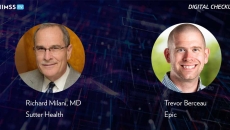
Sutter Health's Dr. Richard Milani and Epic's Trevor Berceau talk about Sutter's chronic care program, which integrates readings from remote monitoring devices into the EHR to give doctors continuous insight into patients' conditions.

A Mesothelioma Center report finds that more than half of Americans use ChatGPT for medical symptoms, widening a gap between patient reliance on AI and clinician concerns.

The state is piloting a program with Doctronic that allows AI to legally participate in medical decision-making for patients with chronic conditions in need of prescription renewals.

Ahead of HIMSS26, Sairohith Thummarakoti of Texas A&M University–Kingsville previews his talk on how agentic AI and low-code platforms can automate routine claims and prior authorization workflows.

While HIMSS Media editors anticipate that AI will be used in every layer of healthcare's tech stack in 2026, they stress that governance and human oversight are essential to ensure AI works safely at scale.

Pharma faces regulations and stringent rules for transparency, but the payoff is drugs that can get to market faster and possibly at less expense.