Adam Ang

Powered by conversational AI, the tool aims to plug Hong Kong's palliative care workforce gap – with fewer than one specialist per 100,000 people – as advance medical directive legislation takes effect in May 2026.
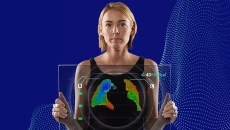
Also, Omniscient Neurotechnology has received $14 million in government-backed funding to scale its AI-based brain mapping platform.

It shapes its top brass as it builds an AI and data-driven mental health care ecosystem that offers optimal, personalised treatment.
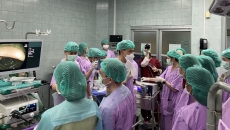
Deep GI project lead Dr Rungsun Rerknimitr reveals a three-year plan to validate and scale a deployable AI-powered diagnosis system beyond colorectal screening.

Despite tightening barriers to entry over the years, Europe and the US are still key to global expansion for Korean startups, says Sky Labs CEO Jack Byunghwan Lee.
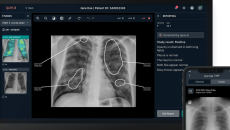
Also, digital gynaecology clinic Pinky Promise in India has raised $1 million in pre-seed funding.

Seoul National University Hospital researchers have developed an AI model that predicts the response to an anticonvulsant drug.

Private rheumatologist Dr Anandita Santosa in Singapore notes how current AI in healthcare priorities practically leave autoimmune and rheumatic diseases behind and shares what can be done to build a more comprehensive AI-driven preventive care ecosystem.

Clinician innovators across the region see the next phase of healthcare AI focusing on trust and responsible adoption after a year of rapid experimentation.

Predictions from Australia to Southeast Asia highlight where AI, telehealth, and platform consolidation are headed next.