epilepsy
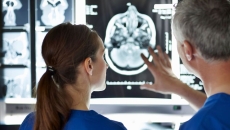
A neurologist's startup has developed a foundation model, based on 60,000 hours of brain wave records, which reportedly achieved 95% accuracy in identifying epilepsy biomarkers.

Emerging Technologies
Dave Rosa, president and CEO of NeuroOne, joins MobihealthNews for Part 2 of the Emerging Technologies series to discuss the company's thin-film electrode technology.

Seoul National University Hospital researchers have developed an AI model that predicts the response to an anticonvulsant drug.
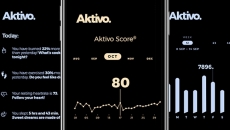
Also, a Thai language speech recognition AI has been deployed for screening depression in Thailand.
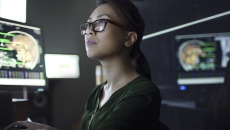
The company’s Seer Home device allows for potential epilepsy diagnosis through at-home data collection.

The AI model still has a modest prediction accuracy and is slated for a wider clinical trial soon.
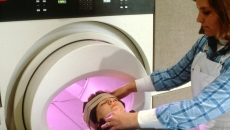
Also, engineers from the University of Hong Kong have come up with a tiny biosensing platform for personalised health monitoring.
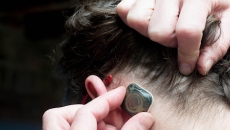
The company's REMI product is currently FDA cleared for in-hospital use, but Epitel plans to expand into ambulatory and in-home care.
The company's implanted product acts as a closed-loop system that monitors and responds to brain activity by automatically delivering stimulation prior to the start of a seizure.
The platform provides games, music and meditation tools.