clinical AI

Virginia Halsey of FDB explains how Model Context Protocols set limits for AI models so they defer to human clinical judgment rather than guessing at answers. This prevents hallucinations that can impact patient safety.

Shlomi Madar, CEO of SpotitEarly, discusses the company's noninvasive test using a breath sample, which is analyzed by specially trained dogs capable of identifying unique cancer-related scent signatures combined with AI technology.
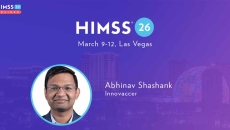
Abhinav Shashank, Innovaccer CEO and cofounder, highlights the company's recently published manifesto, Autonomous Healthcare, and previews his upcoming HIMSS26 panel with other unicorn founders on tackling challenges in health tech.

CEO of Lirio, Marten den Haring, explains how the company uses its proprietary Large Behavior Model to understand a person’s health behaviors, motivations and decision-making patterns to drive personalized patient engagement in healthcare.

As medical practices seek to implement agentic AI, Michael Clark, OnPoint Healthcare Partners president, recommends constant oversight to ensure agents' work is repeatable, auditable and traceable by a clinical advisory team.

AION Labs CEO, Mati Gill, discusses the company’s extensive backing from pharma and tech giants to build AI startups, and how AION is looking beyond AI to explore quantum technologies for research and development in drug discovery.

Eric Jimenez, Artesia General Hospital CIO, says the hospital first deployed AI to protect its network after a cyber incident. It expanded to ambient listening and is now seeking to use AI for clinical applications.

Michael Abrams of Numerof and Associates says that oversight for AI used in mental health care should mirror that of pharmaceuticals, with clear standards, safety testing and ongoing monitoring.

By searching and cross-referencing all electronic health record data, large language models are helping to provide leading-edge oncology care to more patients while freeing up nurses' time, says Dr. Aaron Gerds at the Cleveland Clinic’s Cancer Institute.

Janus Health's Carol Howard says the WISeR model's AI-driven reviews of specific Medicare services may trigger denials. To avoid this, hospitals must align clinical documentation with local and national coverage determination rules.