Photo: Raymond Choy/LinkedIn
Telehealth provider HEYDOC Health and insurer VSure Group have tied up to launch a bundled digital outpatient and protection offering, aiming to fill gaps in healthcare benefits for small enterprises, gig workers, and freelancers in Malaysia.
Called CareConnect Suite, it combines VSure's personal accident and hospital income protection with HEYDOC's outpatient care model, dubbed FutureK, which uses virtual consultations and integrated care pathways to manage common medical needs outside hospitals.
According to the companies, the product is designed to keep outpatient costs low by shifting the bulk of primary and follow-up care to digital channels, reducing reliance on in-person visits while maintaining access to doctors and basic treatments.
It adds to a small but growing pool of digital-first benefit models offered by startups such as Naluri, Qmed Asia, and Igloo, as employers and insurers continue to grapple with extending affordable healthcare benefits to SMEs, gig workers and freelancers amid persistent cost and utilisation pressures.
The HEYDOC-VSure model is based on the premise that most SME employee health needs are predictable and manageable through structured digital workflows, allowing outpatient benefits to be priced at levels previously thought unviable, including plans below RM20 (around $5) per employee.
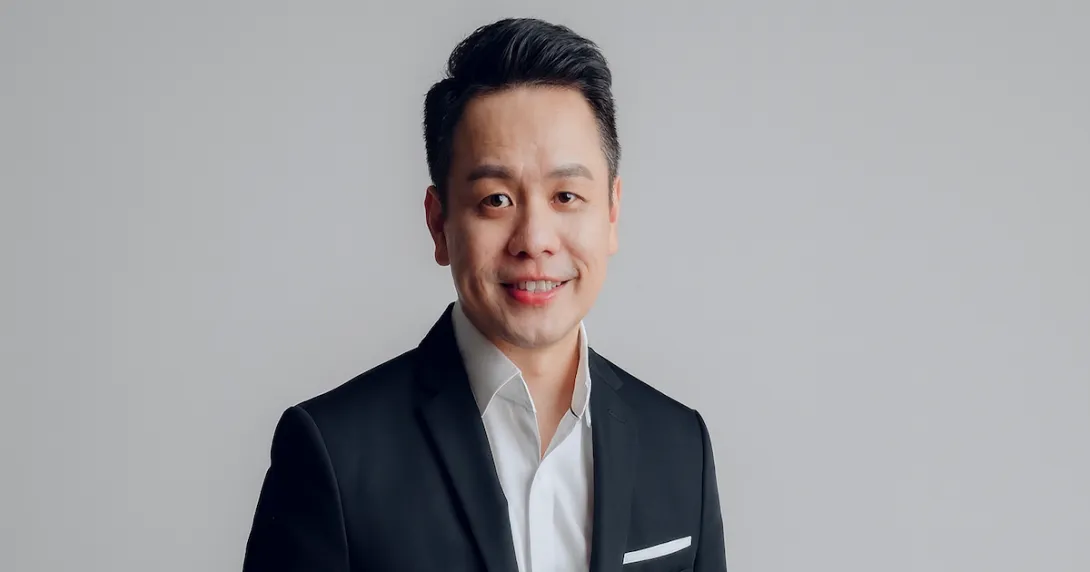
In an interview with Mobihealth News, HEYDOC CEO Dr Raymond Choy expands on what types of conditions can realistically be handled through digital outpatient care, where its limits lie, and how early utilisation data is shaping coverage limits and pricing assumptions – offering a closer look at whether low-cost digital outpatient models can scale without compromising care quality.
Q: Can you walk us through how FutureK's outpatient care model actually works in practice — from the moment an employee seeks care, through triage, consult, e-prescriptions and follow-up? What makes it more cost-efficient and scalable for SMEs compared to traditional outpatient benefits?
A: At a user level, we have tried to make the journey as simple as possible. When an employee feels unwell, they open the FutureK app, search for doctors of their choice, and connect with a licensed doctor via chat or video. Simple cases may be handled through synchronous chat, while more complex ones go straight to a live consult.
The doctor takes a proper history, assesses risk, and decides whether the case can be safely managed virtually or requires an in-person assessment, which warrants a referral to the physical clinic or hospital. Clinical decisions always sit with the doctor.
If clinically appropriate and medication is required for the acute minor ailments, a digitally signed prescription is generated. Employees can choose delivery from partner pharmacies or pick-up at partner pharmacies nationwide.
When physical examinations, tests or procedures are needed, the virtual doctor refers the employee to our partner's clinics, with a clear handover so the clinic does not start from zero via the referral mechanism in place, with more than 4,000 network clinics nationwide.
Follow-ups, lab reviews, and medication adjustments are done back on the digital channel, so care is continuous rather than fragmented.
For SMEs, this is more cost-efficient because 70%-80% of acute primary care issues can be safely managed online, which reduces unnecessary clinic visits, travel time, and administrative time. Instead of open-ended, claim-based outpatient benefits, employers get a predictable per-employee subscription that bundles telehealth, pharmacy optimisation, and referrals into one integrated model. It scales well for smaller companies because they don’t need their own HR or benefits team to manage multiple panels, claims and reimbursements.
Q: The RM20 per employee per month pricing is notably lower than typical SME health benefits. What utilisation patterns, risk assumptions, or operational efficiencies allow HEYDOC and VSure to offer unlimited virtual care and integrated medication services sustainably at this price point? How does this pricing model address the structural barriers that have historically prevented SMEs from providing medical benefits?
A: On the clinical utilisation side, we assume that most employees will need a few primary care encounters a year, not dozens. Our historical data from telehealth and e-prescription programmes suggests that the majority of cases can be resolved through virtual consults and optimised medication. Only 10%-20% of cases truly need escalation to a physical clinic.
Because the FutureK model is digital-first, our marginal cost per teleconsult is significantly lower than a traditional brick-and-mortar visit. We also use:
- Medication caps and generic-first formularies to keep drug spend rational.
- Capitation model on virtual doctor practice to ensure a predictable and interest-aligned approach
- Automation and AI-assisted workflows to reduce back-office costs and manual claims handling.
- Data analytics performed across many SMEs, which smooths out utilisation spikes in any single company.
Historically, SMEs struggle with health benefits because they face open-ended cost exposure (e.g., fee-for-service GP visits and variable medication bills) and heavy admin work (i.e., dealing with paper receipts, reimbursement, and claim disputes). Our model converts that into a simple fixed fee per employee per month, with no complicated claims for routine outpatient care, which improves the efficiency of the HR departments, and guardrails that keep the model sustainable on both the medical and financial sides.
In short, RM20 works because the product is tightly scoped around outpatient primary care, digital-first workflows and sensible utilisation assumptions, rather than trying to mimic a traditional, fully open outpatient panel.
Q: Your partnership with VSure emphasised a deep integration between protection, outpatient care, and medication fulfilment. Technically, what does this integration look like behind the scenes? Are claims automated, and how is data shared securely across VSure, HEYDOC and partner pharmacies? And how does it ultimately improve employees' experience?
A: Behind the scenes, CareConnect and FutureK are built as a single journey rather than three separate systems.
VSure provides the protection and policy layer: enrolment, eligibility, and the rules for when a medical event triggers an insurance benefit.
HEYDOC/FutureK provides the care delivery and medication layer: telehealth, e-prescriptions, clinic referrals and pharmacy fulfilment.
Our pharmacy partners handle stock, pricing and last-mile delivery.
Technically, we use API integrations and secure data pipes so that when an employee starts a consult in our app, relevant information (such as policy status or entitlement) is checked in the background. If a consultation or medication event meets pre-defined criteria, a claim is automatically logged in VSure's system, often without the user filling out any forms.
Data is encrypted in transit and at rest, shared on a consented need-to-know basis, governed by the Personal Data Protection Act, Medical Act, Poison Act, Digital Signature Act, Ministry of Health (MOH) regulations, and internal clinical governance, and access-controlled by role (doctor vs admin vs insurer).
For employees, the experience is much simpler: they do not have to think about "is this covered?" or "which app do I use?" They do not need to pre-pay and claim back later for most outpatient events – it is 100% cashless and paperless. And their journey – from symptom to consult to medication – feels like one connected service, not three different companies stitched together.
Q: Malaysia's SME workforce is diverse, spanning micro-enterprises, high-turnover sectors, and rural or low-connectivity communities. Beyond affordability, what specific digital accessibility challenges does CareConnect solve, and how does the hybrid care model ensure continuity when employees require in-person assessment or follow-up?
A: Malaysia’s SME workforce is very diverse. We designed FutureK for CareConnect to address three big accessibility gaps:
- Device and bandwidth constraints: Not every employee has high-speed data or the latest smartphone. The platform works on low-bandwidth connections, supports chat-based consults, and can fall back to voice calls or synchronous messaging where video is not feasible.
- Language and health literacy: We support consultations in multiple languages commonly used in Malaysia, and our doctors are trained to communicate in simple, clear terms. Educational content and follow-up instructions are written with health literacy in mind.
- Geographical spread and mobility: In semi-urban or rural areas, access to a GP or specialist can be limited. The digital layer gives them first-line access to doctors from anywhere, while our hybrid model ensures that if a physical exam is needed, employees can be referred to the nearest appropriate clinic.
For continuity of care, every interaction – teleconsults, clinic referrals, medication changes – is logged in a shared digital record. This means the next doctor does not start from zero; lab results and previous prescriptions are visible; and follow-ups can be done virtually, reducing repeat travel and time away from work.
For SMEs with high-turnover sectors (including F&B, retail, and the gig economy), this continuity is especially valuable because employees may change employers, locations, or schedules, but their care journey remains traceable.
Q: The SME benefits space is becoming more competitive, with insurers, TPAs and digital providers offering lower-cost outpatient bundles. In this landscape, what differentiates HEYDOC's offering, especially when paired with VSure's protection layer, and what unique value does your technology bring in terms of care quality, drug pricing transparency, and reducing administrative burden for employers?
A: We see three main differentiators to our offering.
Full-stack outpatient care, not just telehealth
Many solutions stop at "video consult + reimbursement." With more than 10 years of experience in telehealth in the region, HEYDOC goes further by integrating e-prescriptions, pharmacy networks, pharma supply chain collaborations, drug optimisation, and clinic referrals into one loop. We are less focused on just "answering a video call" and more on owning the full episode of care – a true patient-centric care model with values.
Medication and pricing intelligence baked in
A large share of outpatient costs comes from medication. Through our formulary tools and pricing engines, we can nudge towards clinically appropriate generics, provide price transparency at the point of prescribing, and work with pharmacies to reduce unnecessary variation in drug pricing.
This is particularly important now that regulators are paying closer attention to private healthcare fees and medication costs.
Lower admin burden for employers and HR
Because care, medication and much of the claims workflow are integrated, HR teams do not need to deal with stacks of receipts, spend less time arguing over what's covered, and get simple dashboards on utilisation and spend, instead of fragmented reports from multiple providers.
Paired with VSure's protection layer, employers get a coherent health-finance ecosystem: protection for bigger shocks, and a digital primary care layer that keeps employees healthier and reduces avoidable claims.
From a care quality perspective, we have clinical governance structures – guidelines, peer review, outcome tracking – to ensure that digital care is safe, doctor-led, and aligned with MOH's emphasis on preserving clinical autonomy.
Q: Looking ahead, how do you see CareConnect evolving as a digital health-finance ecosystem? Are there plans to expand into chronic disease management, preventive screenings, regional expansion or other capabilities that could further bridge insurance and care gaps for SMEs, gig workers, and underserved communities?
A: We see CareConnect as a foundation, not an endpoint.
There are a few clear directions we are already exploring:
- Chronic disease management: Bundling regular virtual reviews, medication refills, lifestyle coaching, and periodic lab monitoring for conditions like diabetes, hypertension, and dyslipidaemia. The idea is to move from "treat when sick" to continuous risk management.
- Preventive and screening programmes: Offering SMEs curated packages for health screening, vaccination campaigns, and targeted interventions for high-risk groups, all anchored around the same digital care layer.
- Support for gig workers and micro-SMEs: Many gig workers and very small businesses fall between the cracks of traditional benefits. The same technology stack can support micro-subscriptions, telco or bank distribution, and micro-insurance tie-ins, bringing protection and care within reach of those groups.
- Regional expansion and interoperability: Over time, we'd like the platform to be interoperable enough that an employee who moves between companies – or even across borders in ASEAN – can maintain continuity of their primary care through the same ecosystem.
Our broader vision is that care and financial protection should not live in silos. CareConnect aims to be a bridge: aligning incentives between employers, insurers and providers so that doing the right thing clinically is also the sustainable thing financially.
_
Dr Choy's responses have been edited for brevity and clarity.