Population and Public Health

Jennifer Goldsack, CEO of the Digital Medicine Society, outlines DiMe's new project focused on aging-in-place with healthcare technologies and reimbursing remote patient monitoring as federal and private insurers' coverage policies evolve.

Also, South Korea's Ministry of Health and Welfare has made more patient data available on the My Health Record app.

OSF HealthCare's Brandi Clark says that, in 2026, insurers' payments for telemedicine and remote patient monitoring reimbursement will increasingly align with organizations’ value-based care maturity.

After setting up a 24/7 digital GP front door, the New Zealand government has provided funding for a new online platform to access mental health services.

As chair of the Public Health and Environment Committee, Baltimore Councilwoman Phylicia Porter helps direct local policy and legislation on health disparities.

Jeff Ladner, Onspring's chief product officer, explains what healthcare leaders need to know about Medicare's six-year WISeR program, which will add new preauthorization requirements, documentation standards and appeals workflows.
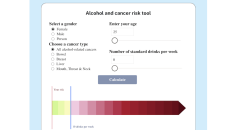
Developed by Cancer Institute NSW, the multi-data-trained tool aims to educate people over 40 about their cancer risks.

Delaware Valley Community Health SVP and CIO Isaiah Nathaniel says that, after achieving AI successes in operations and revenue cycle, he wants to deploy AI to improve clinician productivity and provide better patient experiences.

Also, Tricog has received fresh investment from Omron to scale its ECG analytics AI.

According to Bob Farrell, mPulse CEO, AI-generated outreach messaging like fotonovelas, videos and texts in patients' preferred languages encourages treatment adherence and improves health outcomes.