Provider
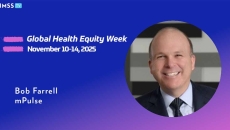
According to Bob Farrell, mPulse CEO, AI-generated outreach messaging like fotonovelas, videos and texts in patients' preferred languages encourages treatment adherence and improves health outcomes.

Ernst & Young's Kim Dalla Torre offers a fresh look at artificial intelligence in healthcare, the biggest ROI and adoption gains in telehealth and remote patient monitoring, closing health disparities, and compliance and cybersecurity.

The partners aim to develop AI-powered, real-time, personalized brain-computer interface therapies for neurological disorders.

During a panel, Walensky and Chip Kahn, CEO of Federation of American Hospitals, discussed current policies they say are negatively impacting the healthcare sector.
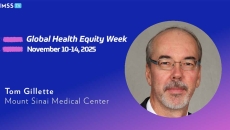
Tom Gillette, Mount Sinai Medical Center's CIO, discusses how Spanish-language AI, predictive models and remote patient monitoring are boosting patient engagement and care access for its diverse South Florida community.

OpenEvidence will integrate content from the NCCN guidelines in oncology into its clinician-facing AI platform.

Daryl Tol, president of General Catalyst’s Health Assurance Transformation Company (HATCo), shares an update on the current state of the venture firm’s healthcare system.

As more than 25 new healthcare AI laws take effect, the National Conference of State Legislatures' Sarah Jaromin says the agency provides information to state leaders about how other states are handling topics like AI use in payer decisions.

The company will use the funds to expand its in-house operations in New York and San Diego, as well as accelerate the trials and commercialization of its BCI.
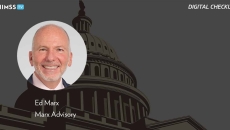
Government regulation can slow health systems' AI progress; Ed Marx, Marx Advisory CEO, says showing policymakers AI's real-world benefits in person can help them understand its value more than traditional lobbying.