AI regulation

Michael Abrams of Numerof and Associates says that oversight for AI used in mental health care should mirror that of pharmaceuticals, with clear standards, safety testing and ongoing monitoring.
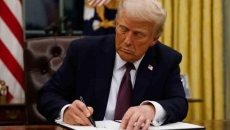
The executive order says it revokes attempts to paralyze the AI industry and establishes an AI Litigation Task Force to challenge state AI laws inconsistent with national policy.
For now, the Trump Administration is turning its focus to The Genesis Mission, a new federal artificial intelligence effort that it says is "comparable in urgency and ambition to the Manhattan Project."

Dr. Lucie Opatrny, president and CEO of McGill University Health Centre, discusses how one of the largest academic health networks in North America implements healthcare technologies.
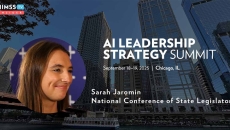
As more than 25 new healthcare AI laws take effect, the National Conference of State Legislatures' Sarah Jaromin says the agency provides information to state leaders about how other states are handling topics like AI use in payer decisions.
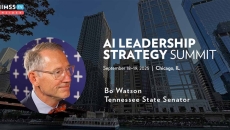
AI systems demand massive energy infrastructure, and Tennessee State Sen. Bo Watson says his state has allocated $60 million to develop alternative energy sources to help meet AI's power needs.

The Conference Board's principal economic policy analyst PJ Tabit says that while the plan is helpful, it is not a comprehensive framework for how to regulate AI.

HIMSS25
Jonathan French, HIMSS' senior director of public policy, lays out the key points of HIMSS' response to the White House's request for information from the public on developing an AI action plan.

Two new memos update federal AI policy, which the White House says will accelerate innovation, strengthen public trust and prioritize U.S.-developed AI tools.
The lack of a strong set of AI-specific regulation in the U.S. allows innovation to happen quickly, but that also requires companies to be transparent and for the industry to take responsibility for its own actions, says Mika Newton, CEO of xCures.