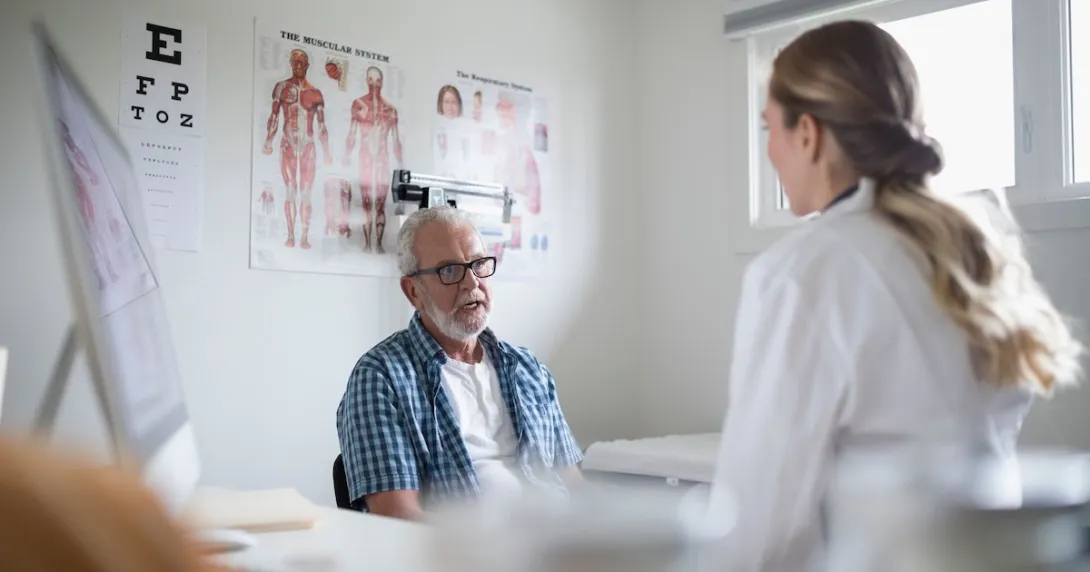
Photo: Hero Images Inc./Getty Images
A patient has filed a proposed class action lawsuit against San Diego-based Sharp Healthcare for using ambient AI during his clinical visit without his consent, according to reporting by KPBS Public Media.
The patient, Jose Saucedo, claims that during his visit at Sharp Rees-Stealy Medical Group, the conversation with his doctor was recorded during a routine checkup using Abridge’s ambient clinical documentation app without his knowledge.
Abridge offers an enterprise-grade AI platform that converts medical conversations into clinically functional and billable documentation at the point of care and partners with numerous healthcare systems nationwide.
The lawsuit claims the recordings obtained during Saucedo's July appointment contained "individually identifiable medical information, such as symptoms, diagnoses, medications, treatment plans and personal identifiers," that unauthorized vendor personnel could access and review.
Saucedo claims he never knew he was being recorded or given the option to consent or opt out. Saucedo said he found out about the recordings after reading his medical notes from the appointment.
According to KPBS, the suit also claims that Abridge automatically inserted incorrect statements into medical charts, saying patients were advised that visits were being recorded and had consented to the recordings, even when the patient said it never happened.
In California, all parties are required to provide consent before confidential conversations are recorded.
The lawsuit claims Sharp never obtained written authorization or allowed patients to opt out of being recorded. It also claims that Sharp "lacked a functional deletion-on-demand process to halt vendor processing and confirm deletion of audio and transcripts across all systems upon a patient's request."
The suit said Saucedo contacted the clinic, which apologized and acknowledged the recording had occurred but said the file could remain on the vendor's servers for approximately a month before being deleted.
The plaintiff's attorneys allege the unauthorized recordings violate California privacy laws and the state's Confidentiality of Medical Information Act that requires a court order or written authorization before sharing information in a medical record with a third party.
The plaintiff is seeking damages and corrections to medical records. It is also requesting a court order that blocks the use of the AI tool without proper patient consent and alleges that more than 100,000 Sharp patients may have been recorded without consent.
Both Sharp Healthcare and the plaintiff's attorney's office, Counterpoint Legal, did not immediately respond to a request for comment.