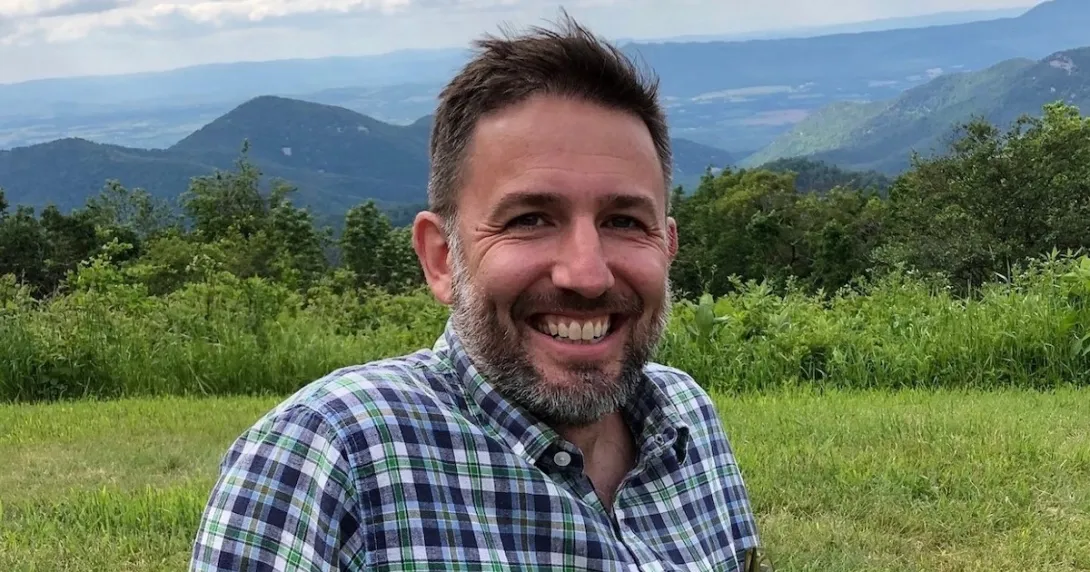
Dr. Michael Spaeder, professor in the department of pediatrics at the University of Virginia
Photo courtesy of Dr. Michael Spaeder
Dr. Michael Spaeder, professor in the department of pediatrics at the University of Virginia, tells MobiHealthNews about his upcoming talk at the 2026 HIMSS Global Health Conference & Exposition in March, where he'll discuss how AI-enabled analysis of continuous bedside monitoring data can detect patient deterioration.
MobiHealthNews: Can you give our audience a preview of what you’ll discuss during your session?
Dr. Michael Spaeder: During our HIMSS26 session, we’ll explore how continuous cardiorespiratory monitoring data can be leveraged through AI and machine learning to detect subacute, potentially catastrophic health events earlier than traditional approaches. We’ll explain the difference between predictive insights from continuous monitoring versus the reflective insights from the electronic health record, highlighting why real-time physiologic data provides a critical advantage.
We’ll also discuss best practices for deploying, integrating and evaluating these predictive analytical models in the hospital environment, including strategies to ensure clinical adoption, multidisciplinary collaboration and measurable impact on patient outcomes. Attendees will leave with a clear understanding of how to harness continuous monitoring data to improve early detection and decision-making in acute care.
MHN: Why do so many predictive analytics models fail to translate into real-world clinical use?
Spaeder: Although predictive models are promising, the creation of a new algorithm is only one part of the overall solution. The integration of results or scores into the clinical workflow must be carefully considered in collaboration with all stakeholders to ensure that the AI-enabled application provides meaningful information at the right time to support decisions that are beneficial to patients.
Additionally, most institutions have not invested in a general predictive analytics infrastructure that both captures live data in a scalable and secure fashion and enables the parallel deployment of algorithms in a real-time environment. Without this enabling technology, researchers face a significant barrier in accessing potentially siloed data from a multiplicity of sources, running their predictive models at scale and distributing results to the bedside.
Together, these challenges constitute the "last mile" problem and should ideally be addressed up front as part of the overall solution.
MHN: What do you hope attendees walk away with after your discussion?
Spaeder: We hope attendees walk away understanding that predictive analytics powered by machine learning can meaningfully improve patient outcomes by using real-time bedside monitoring data to detect deterioration early and that these solutions can scale across time and institutions when built correctly.
Equally important, successful adoption requires more than just algorithms. It demands a dynamic, multidisciplinary clinical integration strategy and a strong digital health infrastructure foundation.
Dr. Michael Spaeder's session "When Risk Becomes Visible: How Predictive Models Can Impact Care" is scheduled for Tuesday, March 10th, from 3:30 p.m. - 4:30 p.m. in Palazzo M I Level 5 at the Venetian at HIMSS26 in Las Vegas.