Precision medicine
Emerging Technologies
Dr. Amit Zabtani, an orthopedic surgeon at UCLA and cofounder and CMO of CustoMED, says the company uses 3D printing to create patient-specific instruments based on an individual’s anatomy, enabling more precise positioning during surgery.
Emerging Technologies
Sergio Calvo, general manager of theranostics at GE HealthCare, discusses the organization's use of theranostics in cancer care and how the technology combines targeted therapy with diagnostic imaging for personalized oncology care.

Private rheumatologist Dr Anandita Santosa in Singapore notes how current AI in healthcare priorities practically leave autoimmune and rheumatic diseases behind and shares what can be done to build a more comprehensive AI-driven preventive care ecosystem.

While HIMSS Media editors anticipate that AI will be used in every layer of healthcare's tech stack in 2026, they stress that governance and human oversight are essential to ensure AI works safely at scale.
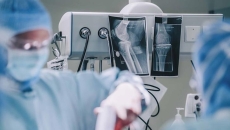
The funds will be used to increase the company's development into new automated orthopedic indications and deploy its manufacturing model.
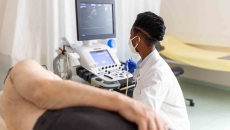
The certifications show that the company meets globally recognized standards for medical imaging.

The collaboration will combine AI and real-world data to accelerate oncology research and drug development.

Data from the study revealed that chronic exposure to cortisol disrupts neuronal network activity and damages long-term potentiation, simulating stress-related cognitive decline.

Sanofi will implement BenchSci's Ascend across its global research organization.

The study aims to help people with speech and mobility challenges use the companies' technologies to interact using brain signals, eye gaze or head pose.